
Exposure to parasites can cause a range of health problems for dogs and, in some cases, their human families. Keeping your pet protected is a priority, but there is growing awareness about the environmental impact of some parasiticides. At Whiskers Vets, we want to ensure you’re equipped with the latest, evidence-based guidance to protect your dog from parasites such as fleas, ticks and worms, while also minimising harm to the environment.
The Latest UK Guidelines on Parasite Prevention
We follow guidance from ESCAPP (European Scientific Counsel Companion Animal Parasites), an independent body of veterinary parasitology experts. Their most recent recommendations continue to support regular preventative treatment for endoparasites (worms) and ectoparasites (fleas and ticks), rather than relying solely on faecal worm egg counts or treating only confirmed infections. Why? Testing doesn’t reliably detect all parasites; especially tapeworms, early-stage infections, or those that shed intermittently.
Dogs can also carry and shed harmful parasites while showing no symptoms themselves. For example:
- Roundworm (Toxocara) infection poses a risk to children and immunocompromised people, potentially causing serious conditions like visceral or ocular larva migrans. A 2020 “WormWatch” study found 86.6% of sampled parks across the UK and Ireland contained Toxocara eggs.
- Fleas can trigger skin allergies and transmit tapeworms.
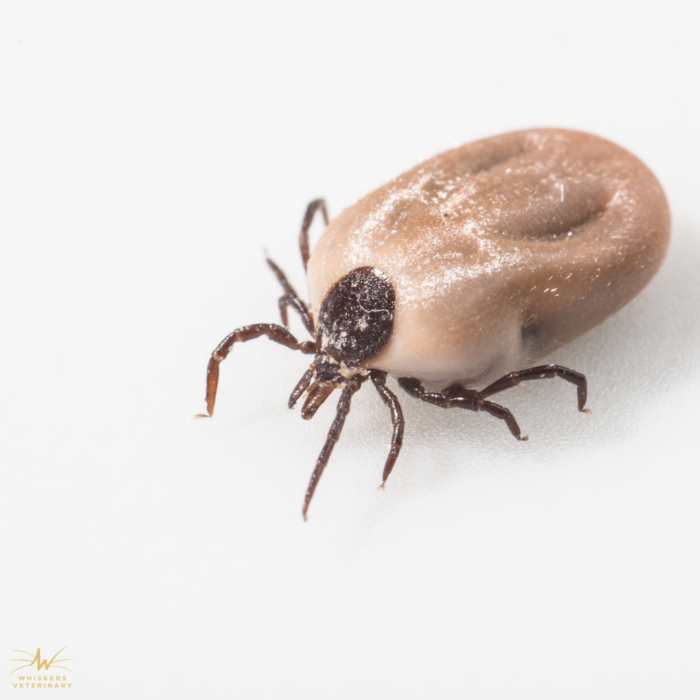
- Ticks are increasingly common in the UK and can carry zoonotic (animal-to-human) diseases including Lyme, Babesia and Anaplasma. Tick activity peaks in spring and autumn, but milder winters now allow year-round risk.
Routine protection helps reduce the parasite burden in pets and lowers the risk of disease spreading. Treatment frequency should reflect your dog’s lifestyle, travel, and exposure risks, something we assess regularly at your dog’s health checks.
Environmental Considerations: What We Know Now
While parasite control is vital, recent studies show some parasiticide ingredients, particularly in spot-on flea and tick treatments, can harm the environment. Active chemicals like fipronil and imidacloprid have been found in UK waterways and are known to negatively impact aquatic life.
These ingredients may wash off after bathing, swimming, or even in heavy rain, potentially contaminating local water systems. While research is ongoing, it’s important to take a more conscious approach.
A Smarter Approach: Protecting Pets and the Planet
So, how do we balance pet protection and environmental responsibility?
- Choose Oral or Injectable Products Where Suitable: Whenever possible, we recommend oral or injectable treatments, which carry a much lower risk of environmental contamination. Many effective wormers and flea/tick preventatives now come in these formats and offer excellent protection.
- Tailor Treatment to Risk: Not all dogs need year-round cover. Dogs that live mostly indoors or in low-risk areas may need less frequent treatment than those who spend time in woodlands or rural areas. We can help choose what is right for your dog during their consultation. This risk-based approach helps avoid unnecessary medication while still ensuring effective protection.

3. Pick Up After Your Dog: Dog faeces can contain parasite eggs that survive in the environment for years. Always pick up after your pet and dispose of waste responsibly to reduce the spread of parasites to other animals and people.
4. Be Careful After Spot-On Use: If using topical treatments, avoid bathing or letting your dog swim for at least 48 hours afterwards. This reduces the risk of washing chemicals into water sources. Always follow product guidelines.
Our Commitment to Responsible Care
As your local independent vet team, we are committed to the health of your pets and the environment we all share. We encourage you to discuss parasite prevention at your next appointment – together we can create a plan that suits your pet’s needs while also supporting broader environmental stewardship.
If you have questions or would like to switch to more environmentally conscious treatment options, don’t hesitate to get in touch with our team.
Thank you for being a responsible and informed pet owner – your actions make a difference!