

A chipped, broken or discoloured tooth can be easy to overlook, particularly if your pet is still eating and behaving normally. However, changes in a tooth’s appearance are often a sign that something more is happening beneath the surface. Understanding what these changes mean helps protect your pet from ongoing discomfort and long-term complications.
Why teeth fracture or change colour
Teeth may fracture due to trauma, chewing hard items, falls or accidents. In dogs, this is commonly linked to chewing bones, antlers or very hard toys. In cats, fractures are often more subtle and may be associated with underlying dental disease. A tooth may also change colour, becoming grey, pink or purple. This usually indicates that the tooth has experienced trauma and the blood supply to the pulp (the living centre of the tooth) has been affected. Even if the tooth looks intact, it may no longer be healthy. These changes are not just cosmetic. They often indicate pain or infection within the tooth.
Reducing the risk of tooth fractures
Not all fractures can be prevented, but avoiding very hard items can significantly reduce the risk. As a general guide, if you would be concerned about the item damaging your own teeth, it is likely too hard for your pet. Items best avoided include:
- bones (cooked or raw)
- antlers
- hard nylon or plastic toys
- hooves and horns
- very hard chew treats
Safer alternatives are softer, more flexible chews that have some “give” when pressed. Your veterinary team can help guide you towards appropriate options.
Reducing the risk of tooth fractures
Not all fractures can be prevented, but avoiding very hard items can significantly reduce the risk. As a general guide, if you would be concerned about the item damaging your own teeth, it is likely too hard for your pet. Items best avoided include:
- bones (cooked or raw)
- antlers
- hard nylon or plastic toys
- hooves and horns
- very hard chew treats
Safer alternatives are softer, more flexible chews that have some “give” when pressed. Your veterinary team can help guide you towards appropriate options.
When is a fractured tooth a problem?
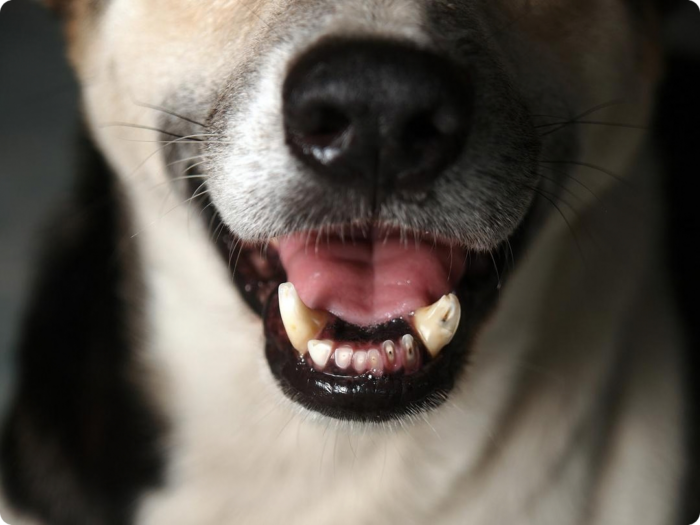
Not all fractures are the same. Uncomplicated fractures, where only the enamel or dentine is affected and the pulp is not exposed, may not cause immediate pain. However, these teeth still require monitoring, as bacteria can enter the tooth over time. Complicated fractures, where the pulp cavity is exposed, are painful and allow bacteria direct access to the tooth root and surrounding bone. These teeth are considered infected and require treatment. Discoloured teeth are often devitalised (non-living), even if they are not fractured. These teeth can develop infection silently and may cause discomfort that is not obvious at home. Pets are very good at coping quietly, so eating normally does not mean a tooth is healthy.
Why dental x-rays are so important
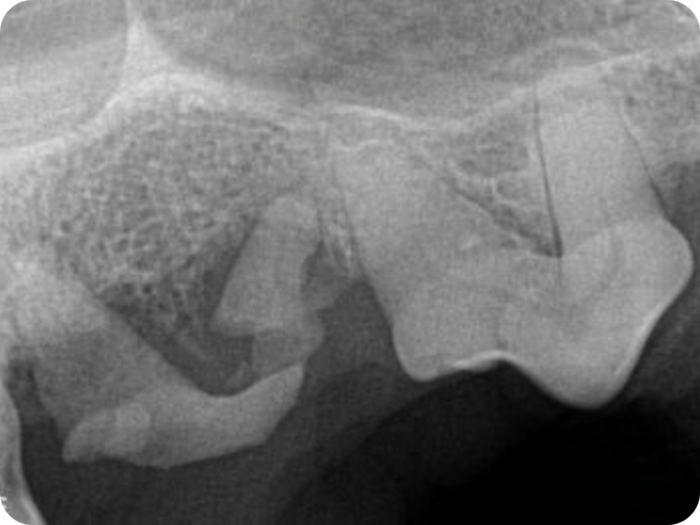
The most significant disease associated with fractured or discoloured teeth often lies below the gumline, where it cannot be seen during a routine examination. Dental X-rays allow us to assess whether the pulp is alive or infected, identify root infections or abscesses, detect bone loss or hidden disease, and decide whether a tooth can be treated or should be removed. Without X-rays, we are only seeing part of the picture.
Treatment options focused on comfort
When a tooth is painful or infected, treatment is recommended to restore comfort and prevent ongoing inflammation. Options may include extraction to remove the source of pain, root canal treatment in selected cases to preserve the tooth while removing infection, or monitoring when Xrays confirm the tooth is healthy. The most appropriate option depends on the tooth involved, the extent of damage and your pet’s individual needs. What matters most is not saving the tooth, but relieving pain and preventing chronic infection.
Why treating dental pain matters
Untreated dental infection can lead to ongoing discomfort, tooth root abscesses, bone damage, behavioural changes and, in some cases, spread of bacteria to other parts of the body. Many owners notice their pets become brighter, more relaxed and more interactive once painful teeth are treated. This change reflects relief from discomfort that pets often hide. A supportive, compassionate approach If your vet recommends dental X-rays or treatment for a fractured or discoloured tooth, it is not because the tooth looks imperfect. It is because your pet’s comfort matters. Addressing dental pain is not about being overly cautious. It is about welfare, comfort and quality of life. If you have questions or concerns, your veterinary team is always happy to talk through the findings and options with you.
A note about pet insurance and dental cover
Dental disease is one of the most common conditions in dogs and cats, and dental treatment is a frequent lifetime expense. Despite this, many insurance policies exclude dental illness or offer only limited cover; something often only discovered when treatment is needed. As dental disease is progressive, delaying treatment can allow pain to continue and problems to worsen. Having appropriate cover helps you make timely decisions based on your pet’s needs, rather than financial constraints. When choosing a policy, check that it includes dental illness (not just accidents), and review any requirements for routine care, along with financial limits and exclusions. Planning ahead reduces the risk of unexpected costs and helps ensure treatment can go ahead promptly when needed. Be aware that switching insurers may exclude pre-existing conditions, so it’s worth seeking advice before making changes.