

A malocclusion is when a puppy’s teeth do not align as they should. While it may sometimes appear subtle at first, even small changes in alignment can have significant consequences over time. As the mouth is still developing, there is a window where early recognition and intervention can prevent more complex, lifelong problems from becoming established.
Why malocclusions matter
When teeth do not meet correctly, they can interfere with normal mouth function and comfort. Teeth may repeatedly contact the gums, palate or tongue, leading to irritation, ulceration and ongoing soft tissue trauma. Even low-grade, repeated contact can be enough to create chronic discomfort over time. Crowding or abnormal bite relationships can also trap food and bacteria, accelerating plaque accumulation and increasing the risk of periodontal disease developing earlier in life and progressing more rapidly. Without intervention, malocclusions can result in persistent pain, abnormal wear or fractures of developing adult teeth, difficulty eating comfortably, and long-term dental disease that becomes more difficult to manage once fully established. Importantly, these changes often begin silently, when they are easiest to influence.
Types of malocclusion
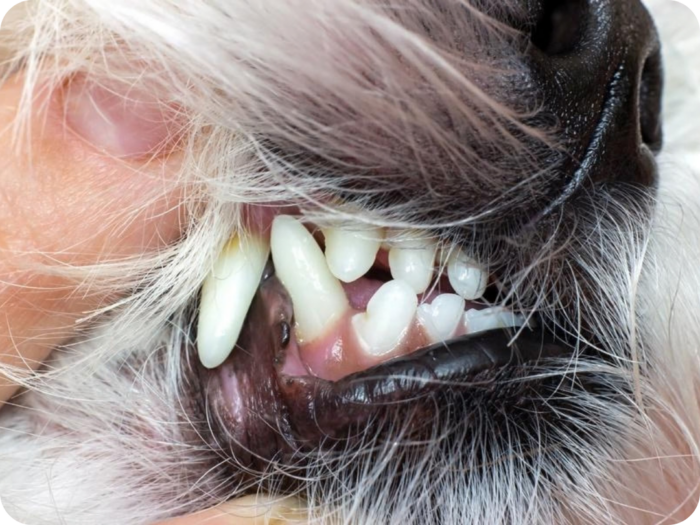
Malocclusions are described by how the upper and lower teeth meet. Common patterns include:
- overbite (class II) – upper teeth sit too far forward
- underbite (class III) – lower teeth sit too far forward
- crossbite – side to side misalignment between jaws
Some of these patterns are more likely to cause direct trauma to soft tissues and ongoing discomfort if left uncorrected.
Breeds at higher risk
Malocclusions can occur in any puppy, but they are more commonly seen in smaller breeds, brachycephalic breeds, and toy or designer crosses such as poodles, cockapoos, cavapoos and similar breeds. In these dogs, careful monitoring is particularly important, as small changes can have a greater impact on how the teeth come together.
Assessment and early identification
Routine dental and health examinations allow us to monitor how the teeth and jaws are developing. During this stage, we may identify retained baby teeth, early crowding or jaw discrepancies that could influence how a malocclusion develops. This early assessment is valuable because it allows us to recognise not only what is happening now, but what is likely to follow if no action is taken.
Treatment options
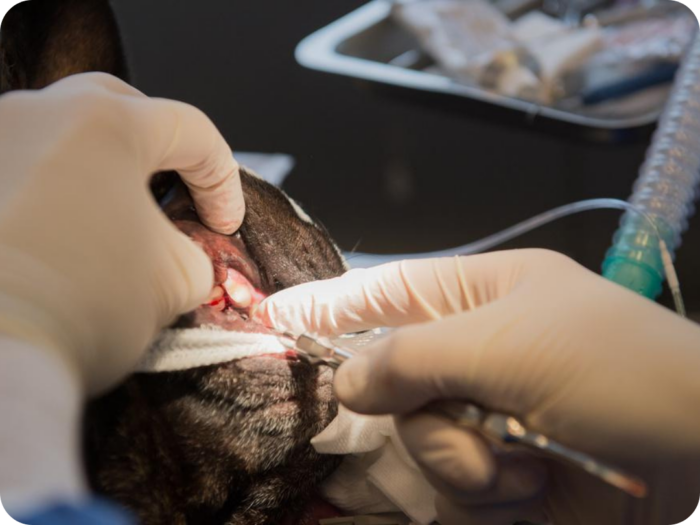
Management depends on the type and severity of the malocclusion and may include removal of retained deciduous teeth to improve space and alignment, selective extraction or orthodontic techniques to guide erupting teeth, careful monitoring where changes are mild and may selfadjust during growth, or referral to a veterinary dental specialist for more complex cases. Where intervention is needed, acting early is far more effective than addressing established malocclusions once the jaw has finished developing.
Long-term significance of early correction
When malocclusions are identified and managed early, it can prevent a cascade of avoidable problems later in life, including chronic oral pain, soft tissue trauma, accelerated dental disease and complex restorative or surgical treatment in adulthood. Early intervention gives the best opportunity for the mouth to develop in a way that supports comfort, function and long-term health.
Supporting your puppy’s dental development
If a malocclusion is identified or suspected, early discussion and assessment allow us to act at a stage where we can make the most meaningful difference. Addressing these issues early helps prevent problems becoming established and ensures decisions are made with long-term comfort and welfare in mind. If you would like to discuss your puppy’s dental development at any point, your veterinary team is always here to guide you through what we are seeing, what it means, and what may help in the future.
A note about pet insurance and dental cover
Dental disease is one of the most common conditions in dogs and cats, and dental treatment is a frequent lifetime expense. Despite this, many insurance policies exclude dental illness or offer only limited cover; something often only discovered when treatment is needed. As dental disease is progressive, delaying treatment can allow pain to continue and problems to worsen. Having appropriate cover helps you make timely decisions based on your pet’s needs, rather than financial constraints. When choosing a policy, check that it includes dental illness (not just accidents), and review any requirements for routine care, along with financial limits and exclusions. Planning ahead reduces the risk of unexpected costs and helps ensure treatment can go ahead promptly when needed. Be aware that switching insurers may exclude pre-existing conditions, so it’s worth seeking advice before making changes.