

Periodontal disease is the most common dental condition affecting dogs and cats. It develops gradually and often without obvious signs at home, yet it can have a significant impact on comfort, health and quality of life. Understanding this condition helps explain why regular dental care and timely treatment are such an important part of looking after your pet.
What Is Periodontal Disease?
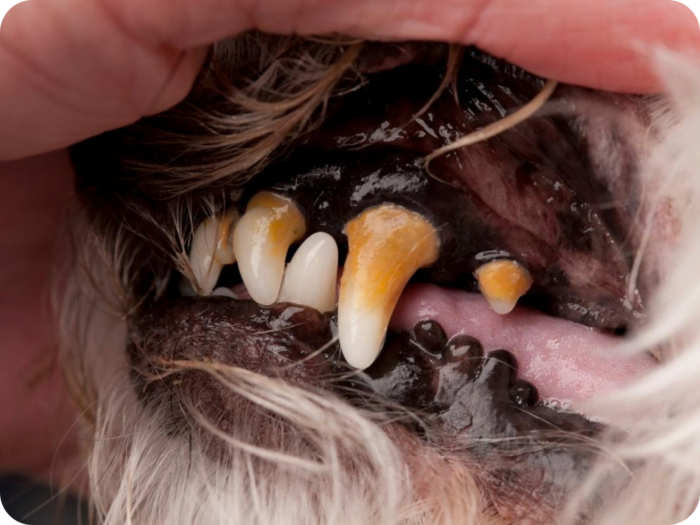
Periodontal disease affects the structures that support the teeth: the gums, ligaments and jawbone. It begins with plaque, a soft film of bacteria that forms on the teeth every day. If plaque is not removed, it hardens into tartar and triggers inflammation of the gums (gingivitis). Over time, inflammation spreads, damaging the tissues and bone that hold the teeth in place. Teeth may become loose, painful or infected. Once established, periodontal disease cannot be reversed. However, it can be managed and its progression slowed with appropriate care.
Why It Often Goes Unnoticed
Dogs and cats are very good at hiding oral pain. Many continue to eat despite significant dental disease, adapting how they chew rather than showing obvious discomfort. Possible signs include:
- Bad breath
- Red or bleeding gums
- Chewing on one side
- Dropping food
- Quieter or less interactive behaviour
In many cases, there are no clear outward signs at all. This is why regular veterinary dental checks are so important.
Why Periodontal Disease Matters
Dental disease is not just a mouth problem. Chronic inflammation and infection allow bacteria to enter the bloodstream, potentially affecting organs such as the heart, kidneys and liver. Locally, periodontal disease can lead to ongoing pain and inflammation, tooth loosening or loss, tooth root infections and abscesses and bone loss in the jaw These changes can significantly affect comfort, even when they are not obvious at home. Left untreated, the disease progresses, often resulting in more complex treatment than would have been needed earlier. Early care helps prevent avoidable pain and preserves more healthy tissue.
The Role of Dental X-Rays
Much of dental disease occurs below the gumline and cannot be seen during a routine examination. Dental X-rays allow us to assess:
- Bone loss around tooth roots
- Hidden infection
- Teeth that appear normal but are no longer healthy
This information ensures that painful teeth are not left in place and that healthy teeth are preserved wherever possible.
Treatment
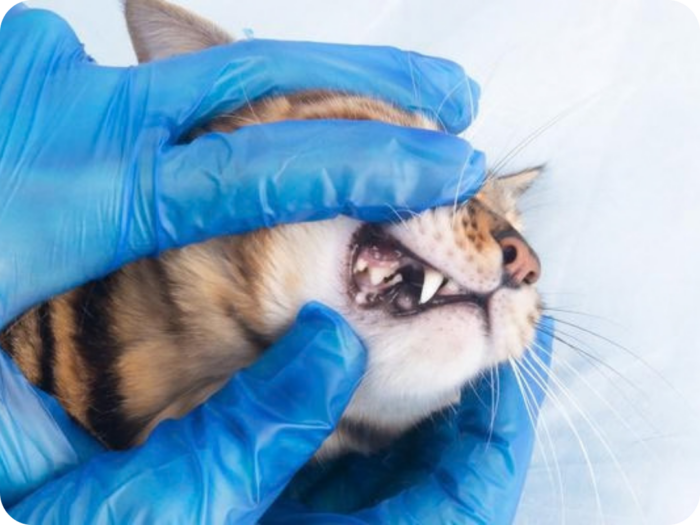
Treatment depends on severity. Most treatments include an anaesthetic with dental descale, treatment of diseased gums and extraction of teeth that are painful, infected or no longer supported While losing teeth can sound worrying, pets cope extremely well without diseased teeth and will be grateful to have relief from chronic dental pain. Many owners notice positive changes after treatment; fresher breath, improved appetite, brighter behaviour and increased interaction. Often, the difference is greater than expected once discomfort is removed.
Ongoing Care
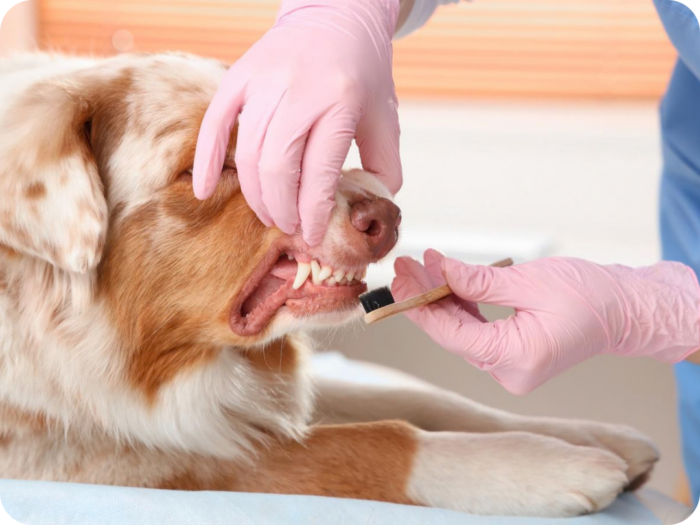
Once periodontal disease is present, ongoing care is essential to slow progression and maintain comfort. This may include regular dental checks, home dental care/tooth brushing where possible and professional treatment as recommended. Intervening early is typically less invasive, more comfortable and more cost-effective than waiting until disease is advanced.
A note about pet insurance and dental cover
Dental disease is one of the most common conditions in dogs and cats, and dental treatment is a frequent lifetime expense. Despite this, many insurance policies exclude dental illness or offer only limited cover; something often only discovered when treatment is needed. As dental disease is progressive, delaying treatment can allow pain to continue and problems to worsen. Having appropriate cover helps you make timely decisions based on your pet’s needs, rather than financial constraints. When choosing a policy, check that it includes dental illness (not just accidents), and review any requirements for routine care, along with financial limits and exclusions. Planning ahead reduces the risk of unexpected costs and helps ensure treatment can go ahead promptly when needed. Be aware that switching insurers may exclude pre-existing conditions, so it’s worth seeking advice before making changes.
A Compassionate Perspective
If dental treatment is recommended, it is because your veterinary team is advocating for your pet’s comfort and long-term wellbeing. Dental care is not about aesthetics or bad breath. It is about preventing silent pain, protecting health and avoiding avoidable suffering. If you have any questions or concerns about dental recommendations or insurance cover, please speak with a member of our team. We are here to support you in making informed, compassionate decisions for your pet.