

Feline resorptive lesions are one of the most common dental conditions in cats, affecting up to 60% of cats during their lifetime. Despite being so common, they often go unnoticed because cats are highly skilled at hiding discomfort. These lesions are not simply a cosmetic issue. They can cause significant, ongoing pain and, if left untreated, can affect a cat’s comfort, behaviour and overall wellbeing.
What are resorptive lesions?
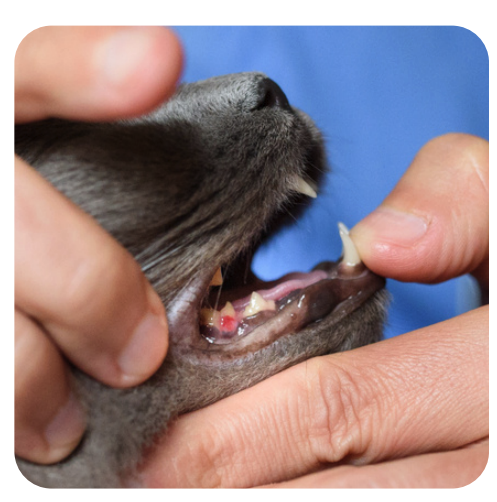
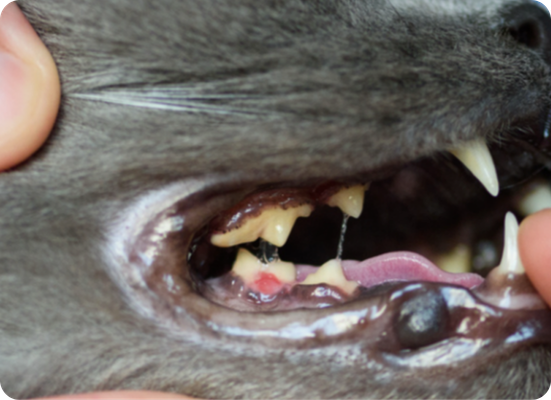
Resorptive lesions occur when specialised cells called odontoclasts begin to break down the structure of a tooth, most often starting at or just below the gumline. The process usually begins in the root and may gradually extend into the visible part of the tooth. As the tooth weakens, enamel can fracture and expose the sensitive inner tissues, making chewing painful. In some cases, the root is gradually replaced with a bone-like material, while the crown becomes fragile or partially covered by gum tissue.
Once a tooth is affected, the process cannot be reversed. Without treatment, it will continue to progress.
Why resorptive lesions are difficult to detect
Cats rarely show obvious signs of dental pain. Even with significant disease, many continue to eat and behave in ways that seem normal. Rather than stopping eating, they adapt.
Common subtle signs include:
- chewing on one side
- swallowing food with minimal chewing
- eating more slowly
- dropping food
- avoiding harder foods
- reduced grooming
- quieter or less interactive behaviour
These changes help cats cope, but they do not mean they are comfortable. It is very common for owners to only recognise how much discomfort was present after treatment, when their cat becomes brighter, more interactive and more relaxed.
Diagnosis and dental x-rays
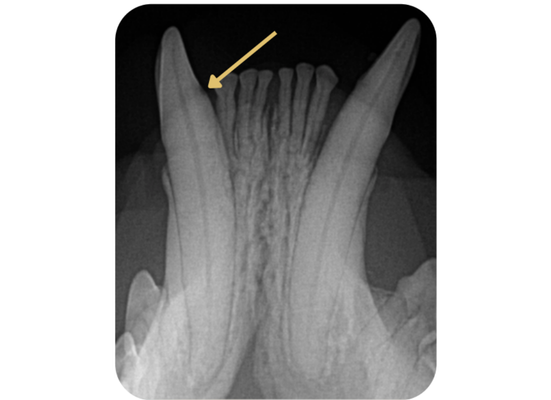
Some resorptive lesions may be visible during an oral examination, but many develop below the gumline and cannot be seen without dental X-rays. Dental imaging allows us to assess the full extent of disease and identify affected teeth accurately. Without X-rays, painful lesions can remain hidden beneath the surface.
Identifying these lesions early is key to preventing ongoing, unseen discomfort.
Treatment focused on relieving pain
The underlying cause of resorptive lesions is still unknown, and there are currently no proven ways to prevent them. When a tooth is affected, extraction is the most effective way to remove the source of pain. Although dental procedures can feel daunting, cats generally cope very well after treatment. Once painful teeth are removed, many show clear improvements in appetite, grooming, behaviour and interaction. A common reflection from owners is that they did not realise how much discomfort their cat had been tolerating until it was gone.
Ongoing monitoring
Cats that develop resorptive lesions often go on to develop more over time. Without regular monitoring, new lesions can progress unnoticed, leading to cumulative and prolonged discomfort. Regular dental checks allow painful changes to be identified early, so they can be addressed promptly. This reduces the duration and impact of pain and helps maintain your cat’s comfort and quality of life.
Supporting your cat’s comfort
Resorptive lesions are common, progressive and frequently hidden. Proactive dental assessment helps ensure that silent pain does not go unnoticed or untreated. Addressing problems early protects your cat from ongoing discomfort and supports their longterm wellbeing. If you have any questions or concerns, your veterinary team is always happy to guide you and help you make informed decisions focused on your cat’s comfort and quality of life.
A note about pet insurance and dental cover
Dental disease is one of the most common conditions in dogs and cats, and dental treatment is a frequent lifetime expense. Despite this, many insurance policies exclude dental illness or offer only limited cover; something often only discovered when treatment is needed. As dental disease is progressive, delaying treatment can allow pain to continue and problems to worsen. Having appropriate cover helps you make timely decisions based on your pet’s needs, rather than financial constraints. When choosing a policy, check that it includes dental illness (not just accidents), and review any requirements for routine care, along with financial limits and exclusions. Planning ahead reduces the risk of unexpected costs and helps ensure treatment can go ahead promptly when needed. Be aware that switching insurers may exclude pre-existing conditions, so it’s worth seeking advice before making changes.